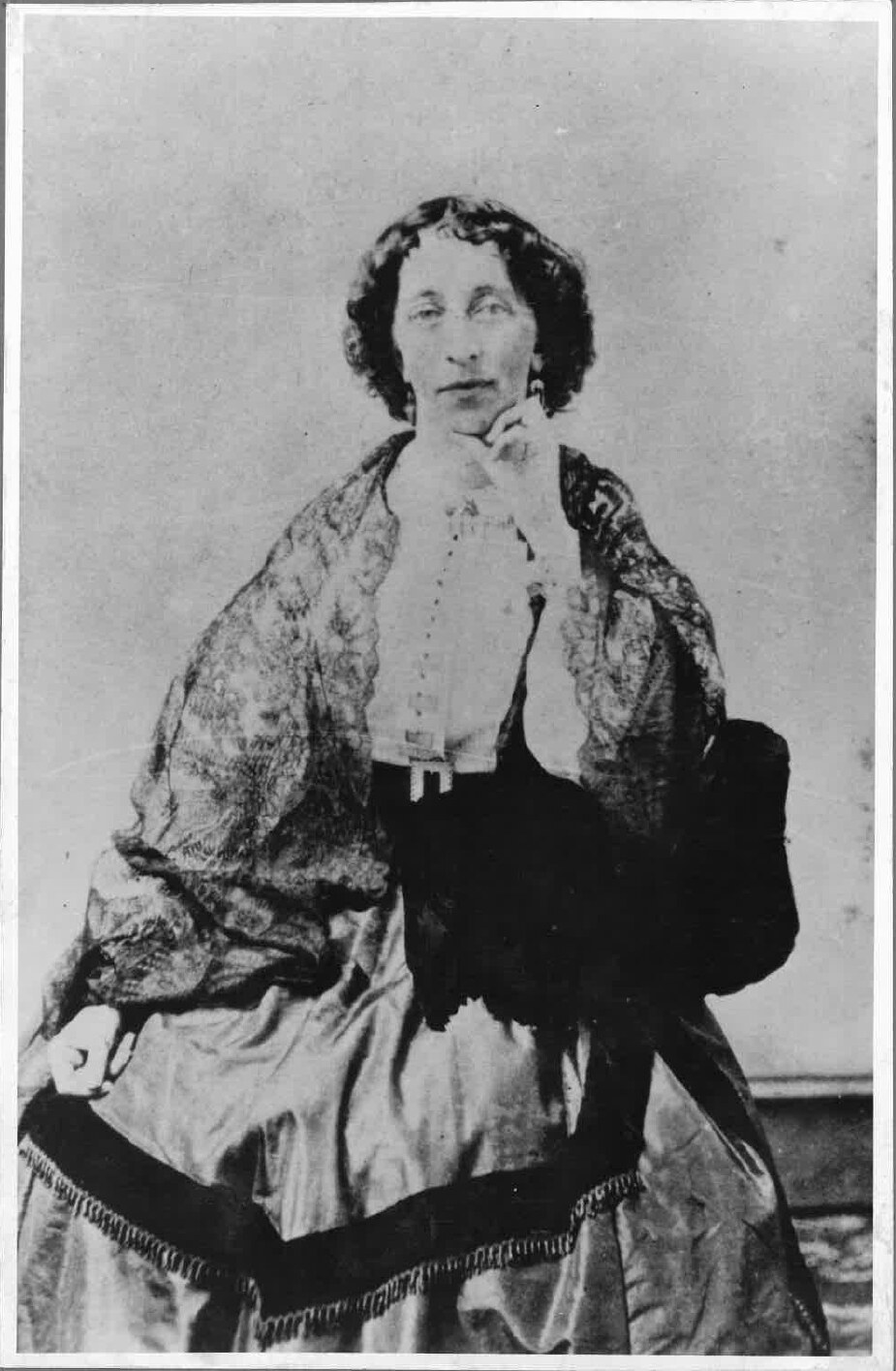
Mary Elizabeth “Lizzie” Ordway was an educator, suffrage organizer, and elected school official whose career connected some of the earliest public schools around Puget Sound.
Born on July 4, 1828, in Derry, New Hampshire, Ordway later moved to Lowell, Massachusetts, where she lived and taught before coming west. In 1864, at age thirty-five, she traveled to Washington Territory with the first group of women later known as the “Mercer Girls.”
The Mercer Girls are often remembered as prospective brides recruited for a frontier settlement. Ordway chose a different path. She never married and built an independent life through education and public service.
Her work took her throughout the region. She taught in Coupeville on Whidbey Island and in the Kitsap County communities of Port Madison, Port Gamble, Port Blakely, and Manette. These were often isolated shoreline or mill communities where one teacher might be responsible for children of many ages.
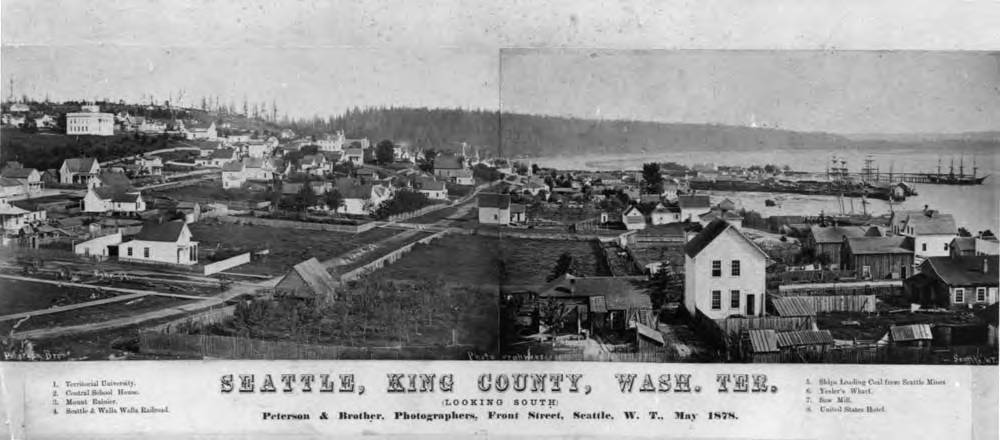
In 1870, Ordway became the opening teacher of Central School, the first schoolhouse constructed by Seattle School District No. 1. She began as its only teacher, and more than one hundred pupils arrived during the first week. Ordway later joked that she “had to send the younger ones home to ripen a little.” The district soon added another teacher.
Ordway also took an active role in the growing woman-suffrage movement. When Susan B. Anthony traveled through Puget Sound in 1871, Anthony’s diary placed her with “Miss Ordway” at Port Madison. Ordway showed her the newly launched ship Wildwood at the Port Madison mill. A few days later, Ordway participated in the territorial woman-suffrage convention in Olympia, where she was elected secretary. She continued working with the movement as it organized and pressed the territorial government for women’s voting rights.
Ordway won election as Kitsap County superintendent of schools. The campaign coverage, reported vote totals and exact terms of office are being compared with contemporary newspapers and official records.
Historical accounts describe her work examining and certifying teachers, maintaining records and guiding Kitsap County’s schools during the 1880s. The precise chronology remains part of the ongoing research. The existing school history also records her later work with the County Board of Education and a teachers’ institute at Port Madison.
Near the eastern approach to today’s Manette Bridge, a surviving Garry oak is traditionally associated with Ordway and her pupils. Local tradition holds that they planted it beside an early school on the Fourth of July around 1880. The tree remains a tangible link to the communities where she taught.
In 1891, Ordway returned to Seattle and helped prepare Washington’s educational exhibit for the 1893 World’s Columbian Exposition in Chicago. It was among her final contributions to education.
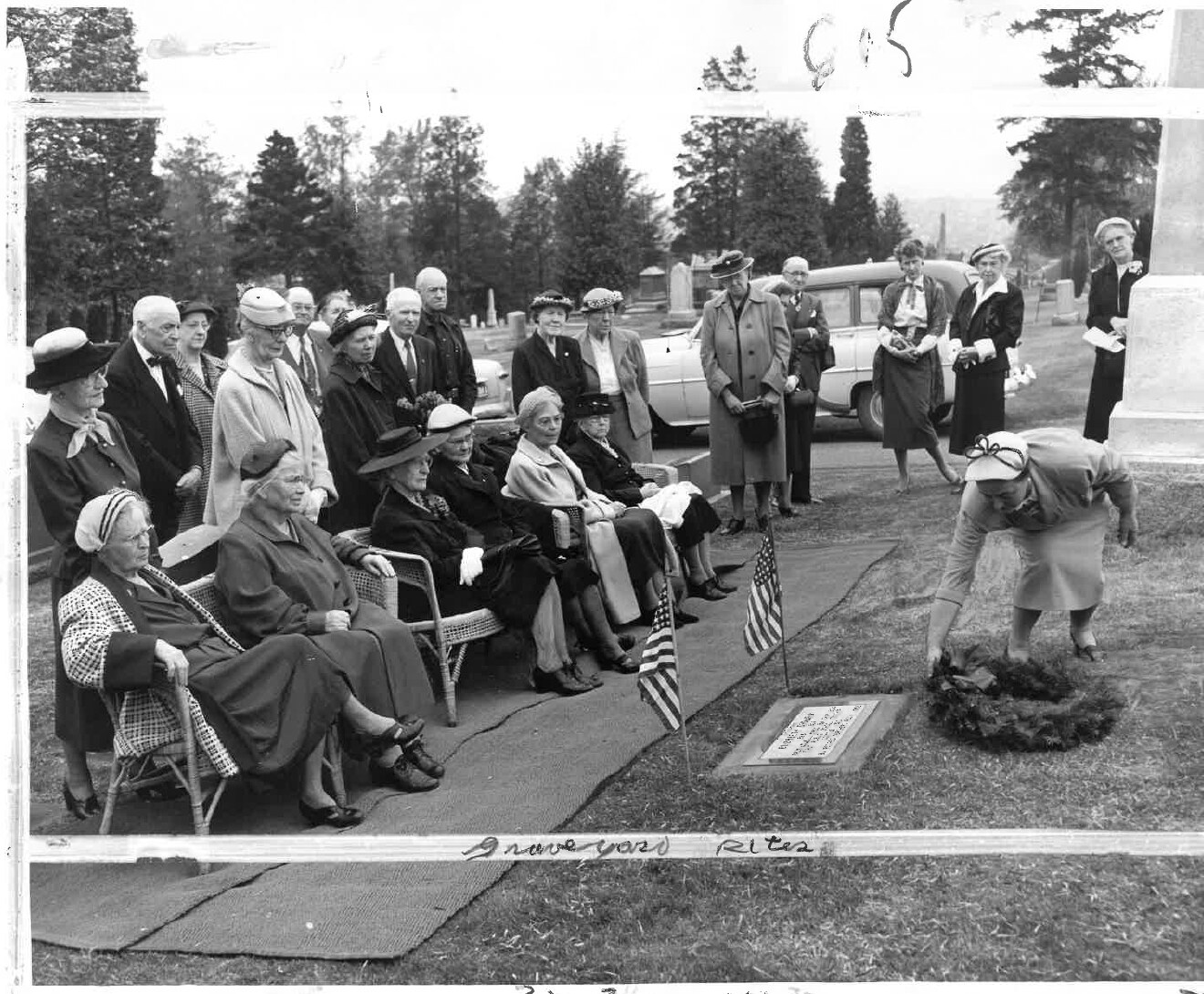
Ordway died in Seattle on September 22, 1897, at age sixty-nine. During more than three decades in Washington Territory and the young state, she taught in isolated communities, opened a landmark Seattle school, helped organize for women’s suffrage, won elected office, supervised a growing county school system, and prepared a new generation of teachers to continue the work.